Cycladic Figurines
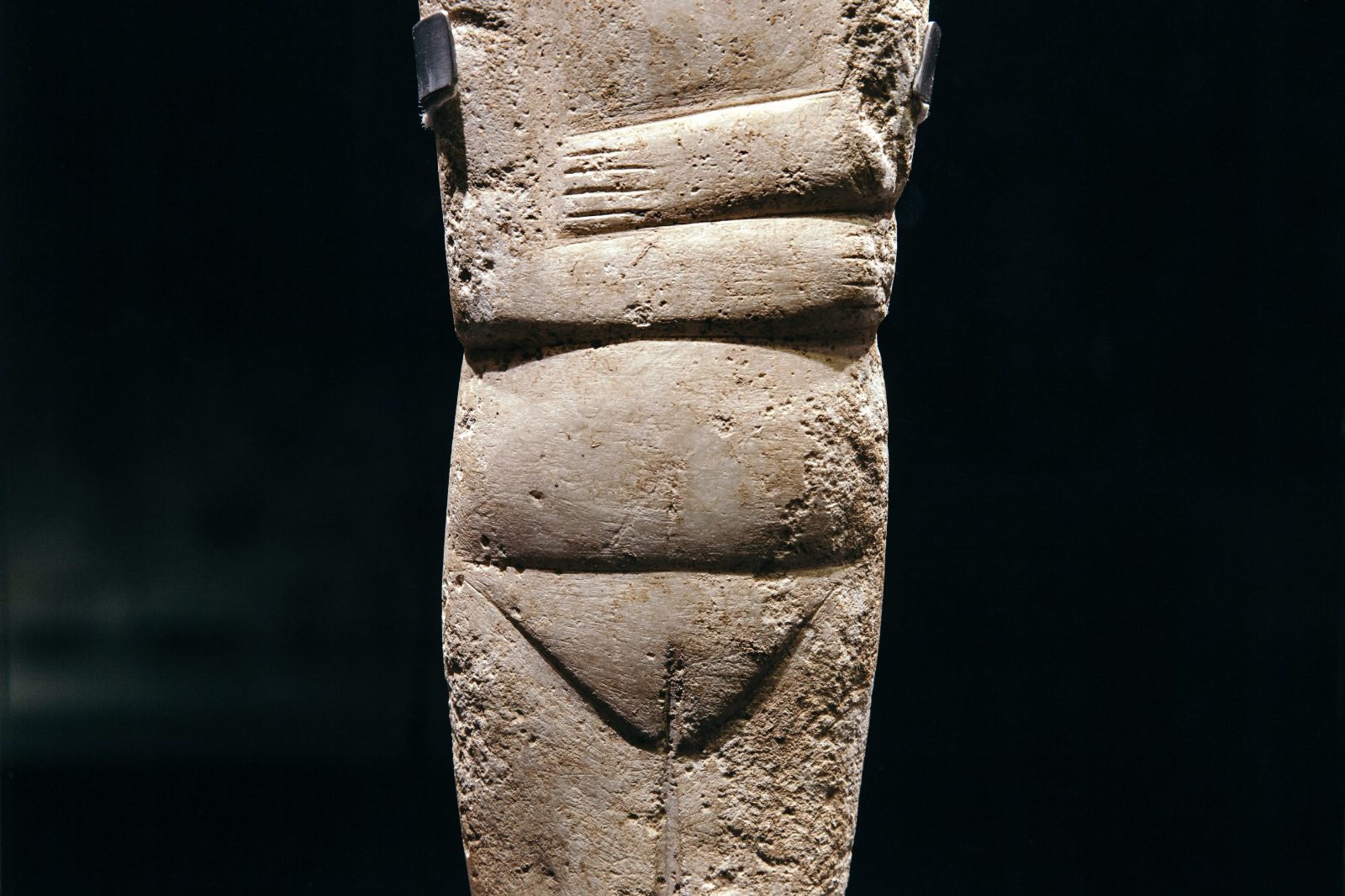
These marble figures exhibit delicate incision work and distinct bodily proportions that require precision to avoid fracturing the stone.
Look for the subtle facial definition on the canonical folded-arm figures.

Visitors examining the sleek, minimalist statues in Athens often wonder about the effort required to shape them. Understanding the physical demands of this ancient craft provides essential context for the collection.
Quick answer
So, is marble hard to carve? Yes, this metamorphic rock ranks between 3 and 4 on the Mohs scale, making it highly demanding to shape without steel tools. Ancient artisans spent hundreds of hours grinding down a single piece using abrasive emery. You can view these hard-won antiquities during general admission for a 12 EUR entrance fee, with a recommended arrival between 10:00 and 12:00.
The sleek, minimalist figures housed at Neofytou Douka 4 in Athens look as though they were effortlessly molded from clay, but the reality of their creation is far more grueling. When modern visitors ask, is marble hard to carve, they are often surprised to learn that prehistoric artisans did not actually cut these pieces in the traditional sense. During the Early Cycladic period, bronze chisels were too soft to effectively strike Naxian rock without dulling immediately. Instead, craftsmen engaged in a laborious process of abrasion. They utilized localized materials like emery from the island of Naxos and pumice from volcanic shores, grinding the raw metamorphic rock down millimeter by millimeter. This slow friction method could require months of sustained physical exertion just to produce a single standing female figure. Understanding the sheer physical resistance of the material completely transforms how one views the permanent exhibitions. The difficulty of shaping stone becomes immediately apparent when examining the subtle anatomical details—such as folded arms and tilted heads—on the larger statues. Because the raw material possesses a dense crystalline structure, one incorrect strike or overly aggressive grinding motion could shatter an entire month of meticulous work. The creators had to carefully navigate the natural fault lines and structural veins of the stone, ensuring absolute structural integrity while reducing a heavy, jagged block into a slender, fragile human form. Observing these ancient pieces during a quiet morning visit reveals how ambient light interacts with the slightly translucent surface, a hallmark of the high-quality material sourced directly from the Aegean islands. The pristine, unblemished finish that modern audiences admire was finally achieved through relentless polishing with sea sand and water, gradually removing the harsh scratch marks left by the initial heavy grinding phase. Today, anyone examining Athenian museum sculpture techniques can appreciate the profound patience required by these early island societies to master their environment. The stark white, minimalist aesthetic that defines this specific historical collection was hard-won through immense friction rather than sharp, decisive cutting. While contemporary sculptors benefit immensely from pneumatic hammers, carbide tools, and diamond-tipped blades that slice through the stone with relative ease, the prehistoric method was fundamentally a test of absolute human endurance. As you outline your travel itinerary and consider the optimal time to study these masterpieces up close without the distraction of mid-day crowds, keeping the material's stubborn, unyielding nature in mind provides crucial context for the entire collection. Ultimately, anyone analyzing the exhibits and wondering, is marble hard to carve, will find the definitive answer permanently etched into the incredibly smooth, resilient faces of the figurines standing silently in the galleries today.
“The stark white, minimalist aesthetic that defines this specific historical collection was hard-won through immense friction rather than sharp, decisive cutting.”
The carving of Cycladic marble requires a precise balance of abrasive force and patience. Artisans navigated the material's structural properties to achieve the clean, geometric lines iconic to the region's ancient culture.
Cycladic marble typically ranks around a 3 on the Mohs hardness scale, making it relatively soft compared to granite but still demanding for detailed work. Carvers historically used this property to their advantage to create thin, delicate forms.
Marble from Paros is prized for its fine, even grain and high translucency. This quality allowed ancient sculptors to carve thin limbs and features that catch the light without fracturing the stone.
Naxian marble is known for larger, more crystalline grains compared to Parian varieties. These larger crystals required artisans to exercise careful control to prevent the stone from crumbling during the shaping process.
Cycladic artisans lacked iron or steel tools, relying instead on bronze chisels. Because bronze is softer than marble, these tools dulled quickly and functioned primarily by impact rather than direct cutting.
Since bronze tools could not easily cut marble, artists used emery—a hard rock rich in corundum—as an abrasive. By rubbing emery against the marble surface, they ground the stone down to achieve smooth, minimalist contours.
The minimalist aesthetic of Cycladic figurines necessitated a subtractive process where the sculptor had to commit to the shape early. Any error was difficult to reverse, as the brittle edges of the marble could snap under excessive pressure.
Observing the Cycladic collection provides direct insight into the technical demands of working with Parian marble. These artifacts demonstrate how ancient sculptors managed the material's structural limitations to achieve refined forms.
These marble figures exhibit delicate incision work and distinct bodily proportions that require precision to avoid fracturing the stone.
Look for the subtle facial definition on the canonical folded-arm figures.
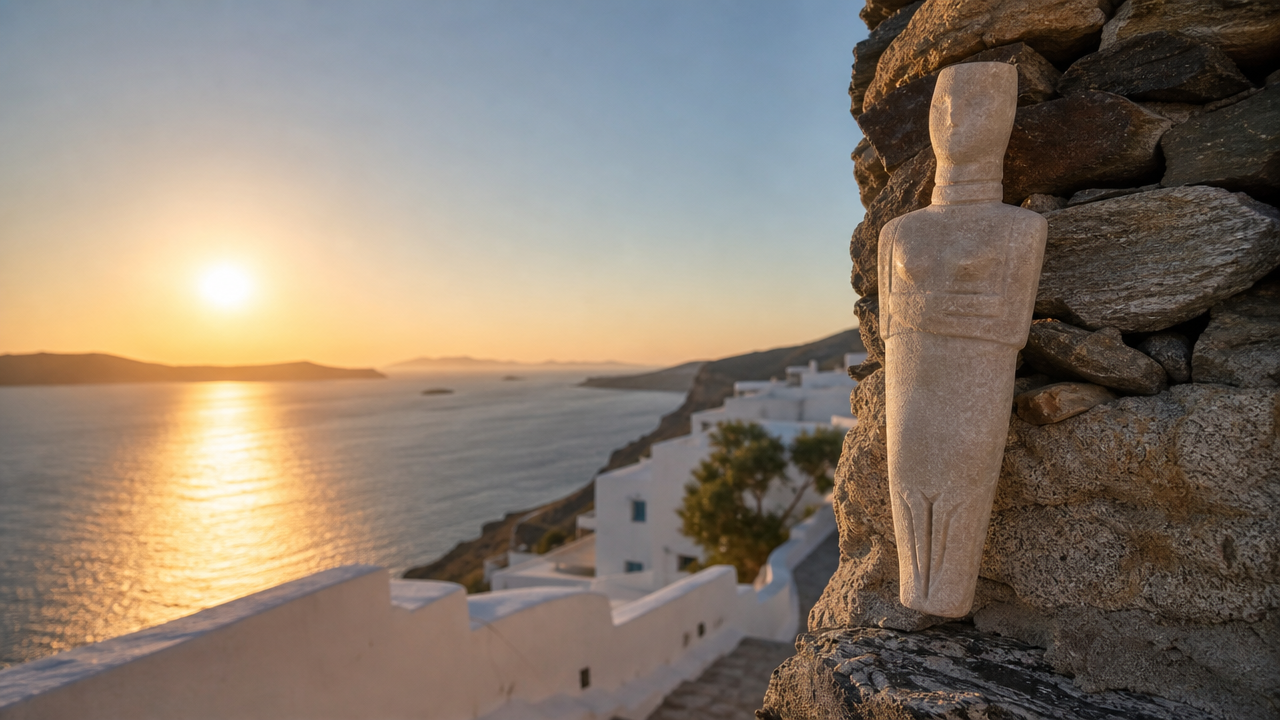
The Spedos variety showcases the transition from rounded forms to more defined anatomical features, emphasizing the sculptor's control over surface texture.
Observe the curvature of the marble at the shoulders and knees.
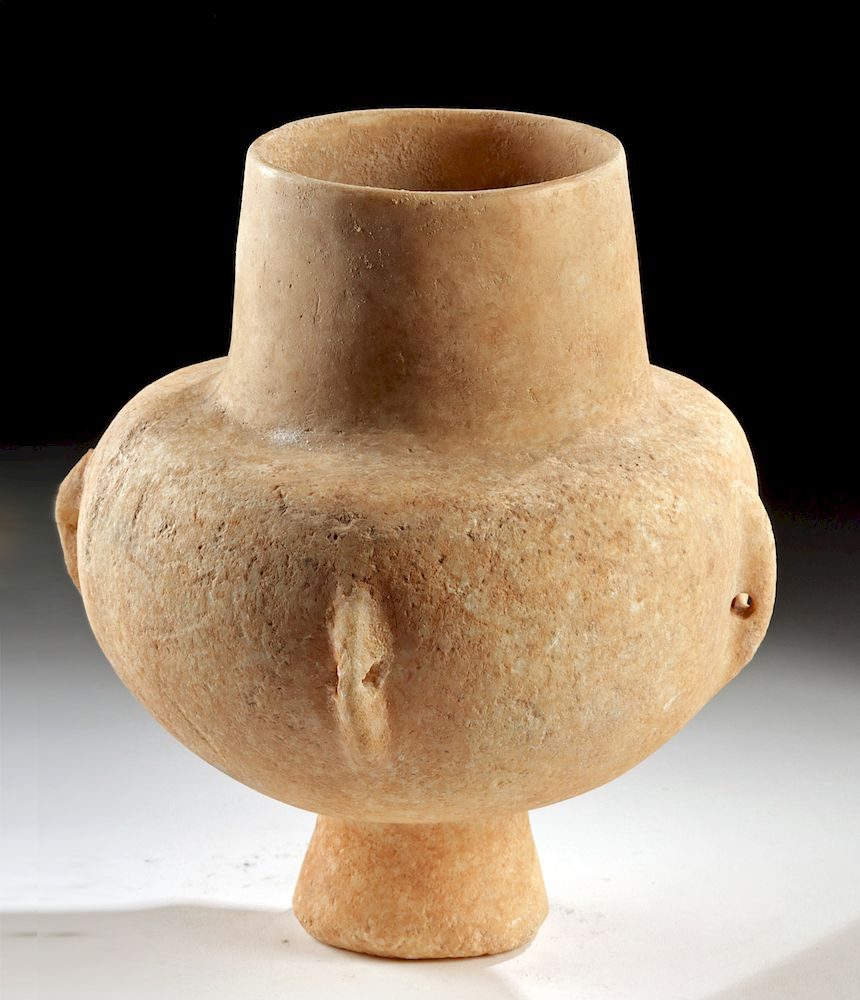
These containers, often spherical or cylindrical, illustrate the difficult process of hollowing out hard stone with primitive abrasive tools.
Examine the thin walls of the vessels against the light.
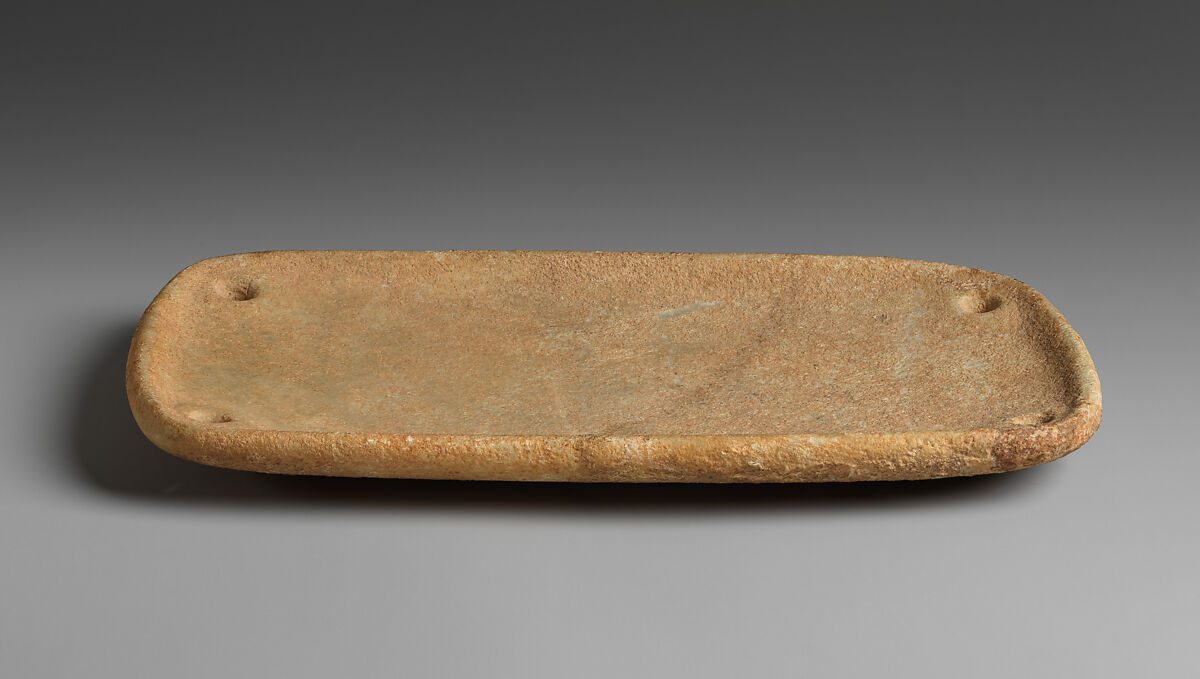
Found in various shapes, these objects reveal the importance of surface smoothing and the labor-intensive polishing techniques used in antiquity.
View the surface from an angle to check for evenness.
The Museum of Cycladic Art maintains a consistent weekly schedule to accommodate researchers and visitors exploring the complexities of marble carving.
The Museum of Cycladic Art is located at Neofytou Douka 4, 106 74, Athens, Greece. It is situated in the Kolonaki district and is accessible via various public transit options.
Line 2 or 3 to Evangelismos Station
Lines 054, 203, 220, 221, 224, 235 to Rigillis stop
Direct drop-off at Neofytou Douka 4
For a focused viewing experience, plan your visit during the best arrival window of 10:00–12:00 to avoid peak mid-day crowds.
Everything you need to know about is marble hard to carve
While marble is a dense metamorphic rock, learning the fundamentals of sculpting is accessible when guided by expert instructors. Many visitors find that understanding the material properties makes the process of deciding if is marble hard to carve much clearer.
The time required depends on your chosen workshop, but visitors often spend a few hours exploring the collection to understand the techniques behind these ancient artifacts. Planning your visit during our quieter windows helps you appreciate the level of detail achieved by Neolithic craftsmen.
Yes, working with this stone requires specialized chisels and mallets to shape the surface effectively. When you see the precision in the museum's display, you realize why the question of is marble hard to carve often centers on the mastery of these traditional hand tools.
Workshops focusing on Cycladic art are generally designed to be inclusive, though it is best to check specific activity requirements before your visit. Exploring these historical landmarks provides context for why the minimalist aesthetic of the region remains so influential.
The museum provides a rich environment to observe the finishing techniques used on Parian marble. Engaging with our educational resources is a great way to discover why the query is marble hard to carve continues to fascinate both amateur and professional sculptors.
Artistic experience is not required to appreciate the labor involved in creating a sculpture from a raw block. By visiting the galleries, you gain a deep respect for the physical exertion and patience that defines the history of Greek stone carving.